The Biggest Risk in Business Is Playing It Safe: 5 Growth Lessons from The Bezos Letters
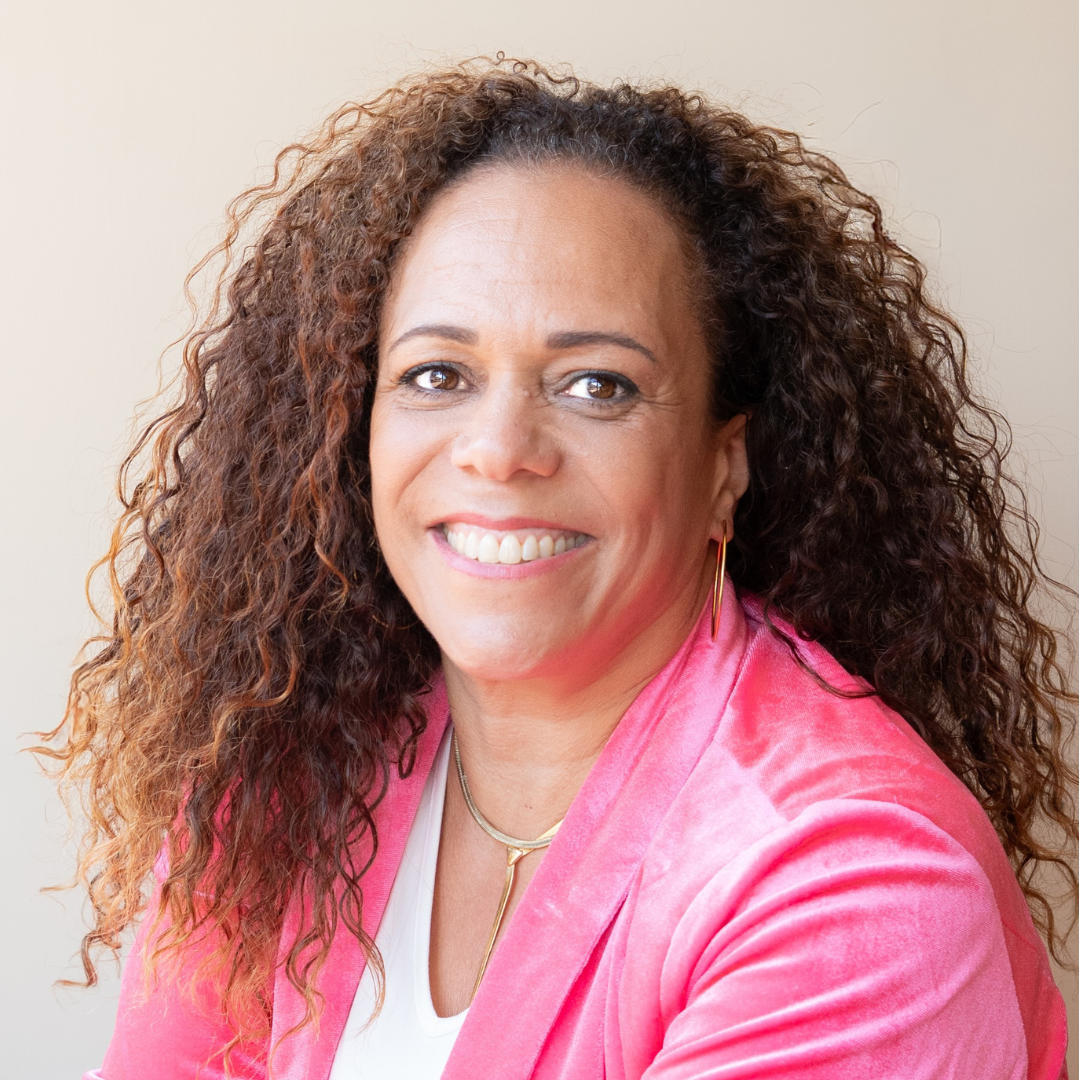
By Karen Roberts | Podcast Profits Unleashed
What if the biggest risk in your business isn't the decision you make?
What if it's the decision you keep putting off?
I see this with coaches, consultants, and small business owners all the time.
They're working hard. Posting content. Trying to stay visible. Following marketing strategies they've used for years.
But the results aren't changing.
And instead of asking whether there's a better way, they keep doing more of the same.
Because familiar feels safe.
In Episode 316 of Podcast Profits Unleashed, I spoke with Steve Anderson, bestselling author of The Bezos Letters, about why playing safe can become one of the biggest barriers to business growth.
Steve has spent more than 35 years working with small businesses. After studying Jeff Bezos's shareholder letters from 1997 to 2018, he identified 14 growth principles organised into four cycles:
Test
Build
Accelerate
Scale
Here are five lessons from our conversation that every entrepreneur should consider.
1. Business Growth Requires Smart Risks
Many entrepreneurs believe avoiding risk protects their business.
But every decision has a cost.
Including the decision to do nothing.
Steve explained that business owners often become more protective as they become successful.
They don't want to lose what they've built.
And that's understandable.
But what happens when the market changes and your business doesn't?
The answer isn't to take reckless risks.
It's to experiment in ways your business can afford.
Start small. Learn. Adjust.
2. Failure Can Become Your Best Source of Information
One of Steve's 14 principles is encourage successful failure.
At first, it sounds strange.
How can failure be successful?
Because a genuine experiment teaches you something.
Imagine trying a new way to attract clients and getting fewer enquiries than expected.
You could abandon the idea.
Or you could ask what the results tell you.
Was the message unclear?
Did you reach the wrong audience?
Was the next step too complicated?
These are questions worth exploring before you make another decision.
As Steve explained, failure is data.
The goal is to use that information rather than ignore it.
3. Obsess Over Your Customers
Most business owners say they care about their customers.
But Steve challenged us to go further.
He explained how Amazon focused on understanding customer frustrations and removing barriers.
One example was one-click shopping.
It made buying easier by reducing the steps customers needed to take.
Now think about your coaching or consulting business.
How easy is it for someone to understand your offer?
Can they find the information they need?
Do they know what happens next?
Sometimes the best growth opportunity isn't finding more customers.
It's improving the experience for the people already interested.
4. Keep Your Day One Mindset
Remember the excitement you felt when you first started your business?
You were curious.
You tested ideas.
You learned as you went.
Steve explained that Jeff Bezos repeatedly returned to the idea that it's always Day One.
It's a reminder not to become complacent.
Success today doesn't guarantee success tomorrow.
And with AI changing how people search, learn, and buy, this matters more than ever.
Keep asking what your customers will need next.
Don't assume yesterday's solution will always be enough.
5. Make Faster Decisions Without Being Reckless
Steve also shared the difference between one-way and two-way door decisions.
A one-way door decision is difficult to reverse.
It deserves careful thought.
A two-way door decision can be changed if it doesn't work.
Those decisions can often be made faster.
For a small business owner, this is a useful distinction.
Not every marketing test needs weeks of planning.
Not every new idea requires a complete business overhaul.
Sometimes you need enough information to make a sensible decision and move forward.
What This Means for Podcast Marketing
This conversation made me think about how coaches approach visibility.
Many keep posting more content because that's what they know.
But is it creating real relationships?
Is it leading to clients?
What if you tested a different approach?
Podcast guesting gives you the chance to share your expertise through real conversations.
You can reach people who want to understand how you think and whether you're someone they can trust.
It's not about abandoning your marketing.
It's about being willing to experiment with something that may serve your business better.
Explore Steve Anderson's Resources
Steve's book, The Bezos Letters, explores the growth principles discussed in our episode.
Book website: https://thebezosletters.com
The Bezos Letters Experience: https://thebezosletters.com/experience
This AI-powered resource lets you explore business challenges using ideas from Steve's book and other content. It also includes a Risk and Growth Assessment.
🎁 MINI COURSE for Coaches & Experts
Want to grow your business through podcast guesting without cold pitching or awkward sales calls?
Discover Karen's exclusive 4-part mini-course, The Podcast Profits Funnel, and learn how to turn podcast listeners into high-ticket clients through a strategic, automated client attraction system.
Complete the mini-course in 5 days to unlock a bonus automation training that's normally part of Karen's $5K program!
👉 https://podcastprofitsunleashed.com/guesting
Final Thoughts
You don't have to make a huge change tomorrow.
But you do need to question whether your current approach is taking you where you want to go.
🎧 Listen to Episode 316 with Steve Anderson:
https://podcastprofitsunleashed.com/EP316
And ask yourself one question:
What's the smallest experiment I could run this week to move my business forward?
Be heard. Be trusted. Get clients.
— Karen Roberts