ADHD, Rejection Sensitivity & Building a Business That Actually Fits Your Brain
Most entrepreneurs assume that if something isn't working, the answer is simple:
Work harder.
Get more disciplined.
Become more organized.
Push through.
But what if the real problem isn't effort?
What if the systems you're trying to follow were never designed for the way your brain works?
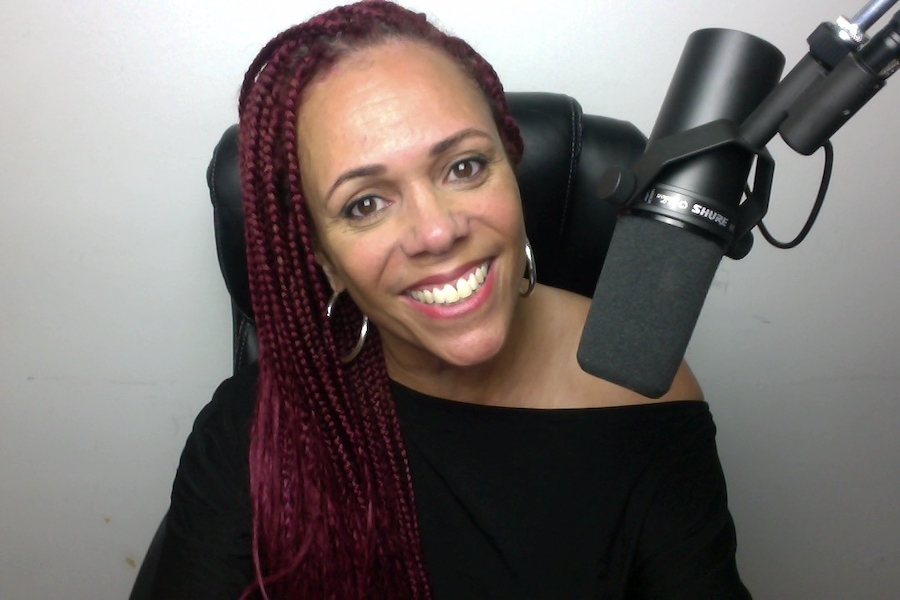
That was one of the biggest insights from my conversation with ADHD business strategist Diann Wingert on Podcast Profits Unleashed.
For years, ADHD has been misunderstood. Many people still picture a hyperactive child who can't sit still in class. But ADHD often shows up very differently, especially for entrepreneurs and high-achieving professionals.
Many business owners experience constant overwhelm, difficulty prioritizing, procrastination, perfectionism, and a mind that never seems to slow down.
The challenge is that most business advice assumes everyone processes information, manages tasks, and makes decisions the same way.
They don't.
Diann shared how many entrepreneurs spend years blaming themselves for struggles that have nothing to do with intelligence, ambition, or capability. Instead, they're trying to force themselves into business models and productivity systems that clash with how they naturally operate.
That mismatch creates frustration.
It creates burnout.
And it often creates a cycle of self-criticism that keeps talented entrepreneurs stuck.
One topic that stood out during our conversation was rejection sensitivity.
Many business owners believe they need more confidence before they can take bigger action.
But confidence is often not the issue.
The deeper challenge is the fear of criticism, judgment, and rejection.
Instead of launching the offer, they keep tweaking it.
Instead of publishing content, they keep editing it.
Instead of pitching themselves for opportunities, they keep preparing.
From the outside, it looks productive.
Behind the scenes, it's often fear wearing a disguise.
Diann explained that many entrepreneurs aren't avoiding action because they're lazy.
They're avoiding emotional discomfort.
And once you recognize that pattern, everything changes.
Another powerful lesson was the importance of simplification.
Many entrepreneurs believe that growing a business requires creating more offers, more programs, more funnels, and more moving parts.
Yet complexity often becomes the very thing that slows growth.
Diann encourages entrepreneurs to reduce unnecessary complexity and focus on what truly works.
A simple business is easier to market.
It's easier to operate.
And it's easier for potential clients to understand.
That simplicity creates momentum.
We also talked about podcasting and the hidden challenge many entrepreneurs face.
Knowledge isn't usually the problem.
Most people already know what they need to do.
The real challenge is implementation.
Diann shared that despite having the training, equipment, and expertise, it still took her two years to launch her podcast.
The missing ingredient wasn't strategy.
It was accountability.
Today, her ADHD-ish podcast ranks in the top 1.5% globally.
That's proof that progress rarely comes from learning more.
It comes from taking action before you feel fully ready.
Perhaps the biggest takeaway from our conversation was this:
You don't need to become someone else to build a successful business.
You don't need to force yourself into systems that drain your energy.
You don't need to constantly fight your natural tendencies.
Instead, you can build a business around your strengths.
When you stop trying to fit into someone else's blueprint and start designing a business that works for you, growth becomes far more sustainable—and far more enjoyable.
🎁 4-Part Mini Course for for Coaches & Experts
Want to grow your business through podcast guesting without cold pitching or awkward sales calls?
Get access to Karen's exclusive 4-part mini-course, The Podcast Profits Funnel.
👉 https://podcastprofitsunleashed.com/guesting
Connect with Diann Wingert
🌐 https://diannewingertcoaching.com
If you've ever felt like you're working twice as hard as everyone else just to keep up, this episode is a reminder that the problem may not be you.
The solution may simply be building a business that works with your brain instead of against it.